


Cross-platform app development services
Timspark provides cross-platform app development services using React Native, Flutter and .NET technologies. We help companies launch new products, migrate legacy applications and extend existing mobile platforms while keeping performance, maintainability and native integrations in focus.
Our cross-platform app development services
From a new mobile product to the consolidation of several legacy applications, Timspark helps companies choose and implement a cross-platform approach that fits the product rather than forcing the product into a particular framework.

Cross-platform mobile app development
Build iOS and Android applications around a shared codebase while retaining the platform-specific functionality your product requires.
We cover application architecture, UI implementation, state management, API integration, testing and release preparation.

React Native app development
Develop mobile applications with React Native and TypeScript for products that need rapid iteration, shared frontend expertise and access to native device functionality.
Our engineers can work on greenfield products, existing React Native applications and migration projects.

Flutter app development
Build mobile and multi-platform applications with Flutter and Dart using reusable application logic, responsive interfaces and scalable state-management patterns.
Flutter can be particularly useful when a product needs a consistent experience across iOS and Android or when mobile and web requirements overlap.

Cross-platform app migration
Consolidate separate native or legacy applications into a more manageable mobile architecture.
We help assess existing codebases, plan migration in stages, move users and application data safely, and retain critical integrations while reducing long-term maintenance overhead.

Cross-platform architecture and consulting
Before development, we assess product requirements, performance expectations, device APIs, third-party dependencies, existing engineering skills and future platform plans to determine whether React Native, Flutter, .NET MAUI or a native approach makes the most sense.

App integration, testing and release support
Connect the mobile application with backend services, authentication systems, payment providers, analytics, streaming platforms and external APIs.
Our QA and DevOps specialists can also support automated testing, CI/CD, beta distribution and App Store / Google Play release workflows.
Why companies choose Timspark
01
Product-focused engineering
We start with product requirements, target users and platform constraints rather than a preferred framework.
Architecture and technology choices are made around how the application needs to perform, integrate and evolve.
02
Proven cross-platform experience
Timspark teams have worked with React Native, Flutter and other mobile technologies across media, sports, education, healthcare and consumer-facing products.
Our recent projects include legacy migrations, streaming applications, real-time data, subscription products and multi-platform media systems.
03
Migration and modernization expertise
Cross-platform development is often not a greenfield task.
Our engineers can work with existing native applications, backend systems, user accounts and third-party services while moving functionality into a shared architecture in manageable stages.
04
End-to-end collaboration
Mobile engineers can work alongside Timspark backend, UI/UX, QA and DevOps specialists, reducing handoff friction across development, testing, integrations and release.
Cross-platform technologies we work with
We select technologies around the product architecture, existing systems and target platforms rather than treating one framework as the default for every application.
- React Native
- TypeScript
- JavaScript
- Flutter
- Dart
- .NET MAUI
- C#
- Xamarin
- React Navigation
- Redux / Context
- BLoC / Cubit
- Clean Architecture
- GoRouter / Navigator
- REST
- GraphQL
- WebSockets
- gRPC
- Firebase
- Stripe
- Flutter Test
- Bloc Test
- Mocktail
- Firebase App Distribution
- Jenkins Bitbucket Pipelines
- CircleCI
- Fastlane
- GitHub / GitLab / Bitbucket
- Postman
Choosing the right cross-platform approach
A shared codebase can reduce duplicated development work, but framework choice still depends on what the application actually needs.
We typically evaluate:


Product and platform scope
Which platforms need to be supported now, and which may be added later?
An iOS-and-Android product has different architectural requirements from a product expected to span mobile, web and desktop.

Native functionality
Camera, Bluetooth, NFC, media playback, background processes, sensors, payments and other device-specific capabilities can influence framework choice and implementation effort.

Performance requirements
Applications built around video, real-time data, complex animations or large datasets may require additional architectural and native optimization.

Existing engineering ecosystem
A company already using React and TypeScript may have different advantages with React Native, while another product may benefit more from Flutter or .NET MAUI.
Maintenance and product roadmap
The right architecture should reduce duplicated work without creating unnecessary framework constraints as the product grows.

Business outcomes

Faster multi-platform delivery
A shared architecture allows teams to develop and release functionality across target platforms without implementing every feature independently.

Lower maintenance costs
Shared application logic and reusable components reduce duplication and make ongoing product changes easier to coordinate.
Consistent product experience
One product architecture makes it easier to keep core functionality, design patterns and user journeys aligned between iOS and Android.

Easier product evolution
Cross-platform architecture can simplify the rollout of new features, integrations and product changes across multiple platforms.

Reduced legacy complexity
Migrating fragmented native or older application stacks into a shared architecture can reduce technical overhead and simplify future development.

Access to native capabilities when needed
Cross-platform does not mean avoiding native development entirely. We can extend applications with platform-specific modules when product requirements call for them.


Cross-platform development works when the technology follows the product, not the other way around. The goal is to reduce duplicated effort without compromising performance, maintainability, or the user experience.
Vlad Nemshon
CEO
Engagement models

Add React Native, Flutter or other mobile engineers to an existing development team when you need additional expertise or delivery capacity.
Timspark specialists work within your current tools, workflows and technical ownership model.

Build a team around your mobile roadmap.
Depending on the scope, the setup can include mobile developers, backend engineers, QA, UI/UX, DevOps and delivery management while staying focused on your product.

Core Teams
Start with a compact team of experienced specialists that takes ownership of a defined technical or product area and expands when the project requires additional expertise.
Want to learn more about Core Teams?
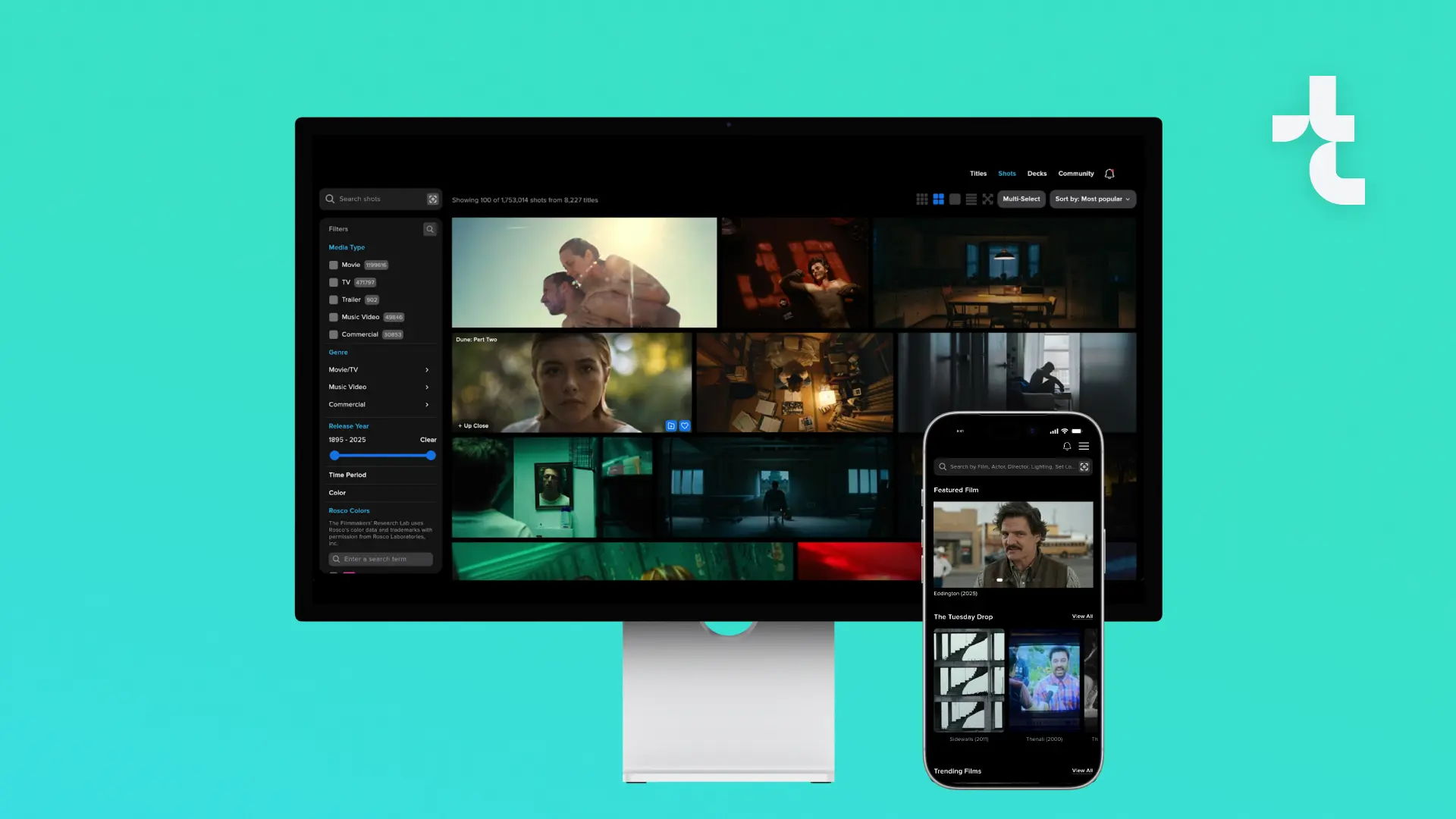
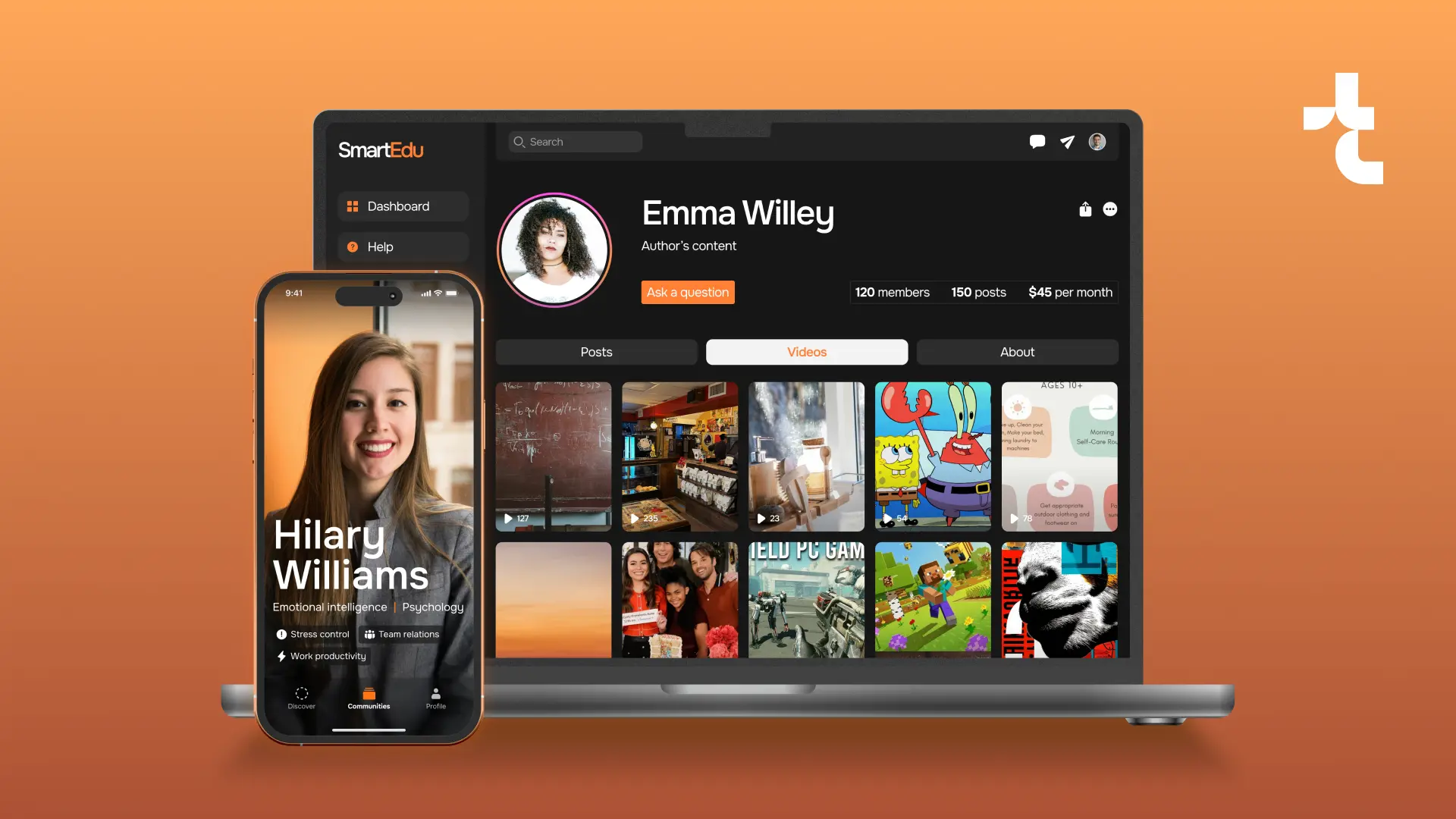
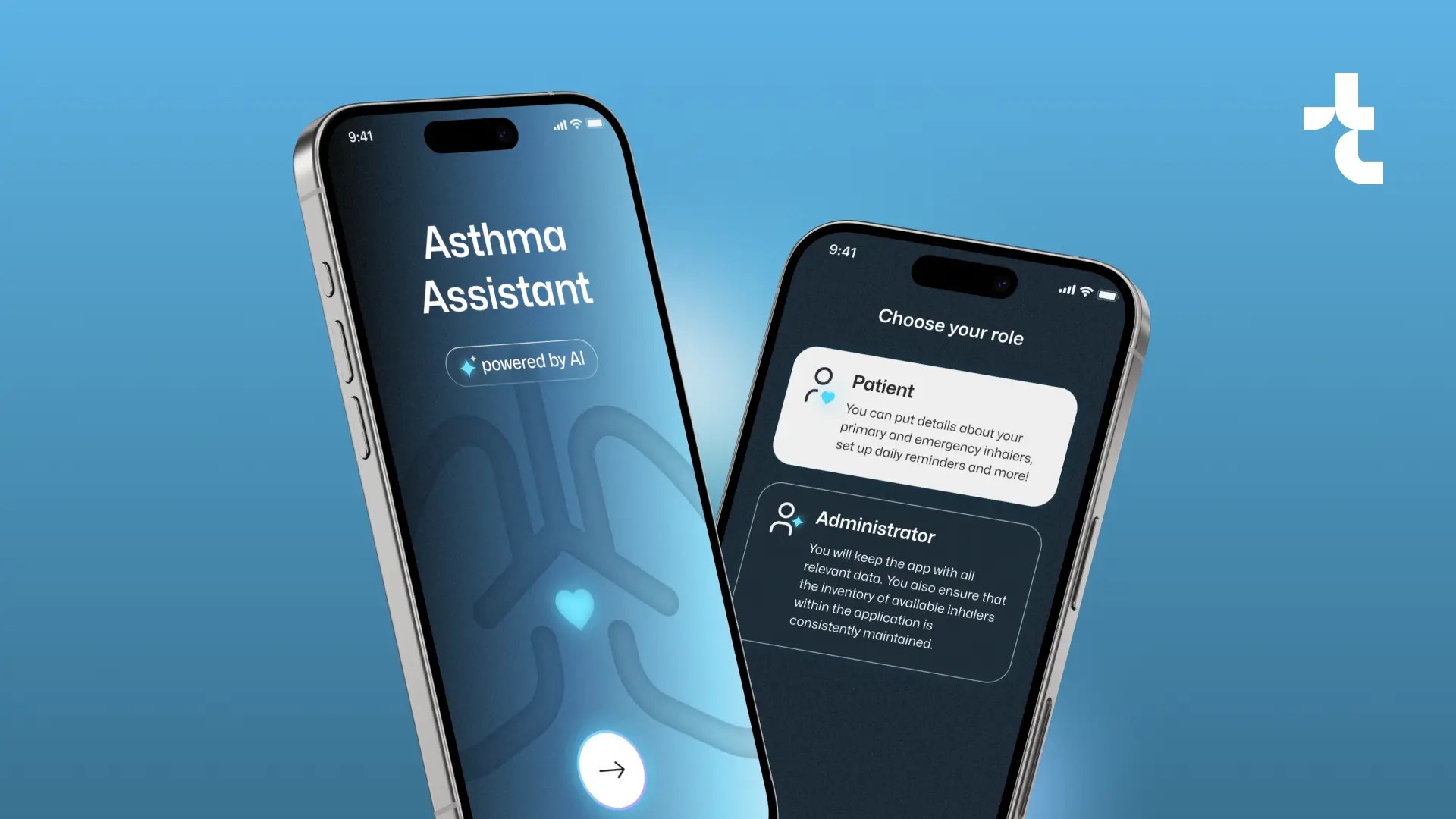
Cross-platform app development projects
Cracking the Code of Cross-Platform Development: Challenges and Advantages in a Nutshell

How Much Does Mobile App Development Cost in 2025? Your Ultimate Guide

Web Apps vs Native Apps: When Web Based Apps Are a Better Choice for Your Business
FAQ
Do you still have questions about our cross-platform app development services? Here are the most frequent questions and answers.
What is cross-platform app development?
Cross-platform app development is an approach that allows developers to share a significant part of an application's code and logic across multiple platforms, most commonly iOS and Android.
Depending on the framework and product requirements, some platform-specific code may still be required for device APIs, performance optimization or native integrations.
Which cross-platform technologies does Timspark work with?
Timspark works with React Native, Flutter, .NET MAUI and related mobile technologies.
Our experience also covers backend APIs, authentication, payments, analytics, streaming, cloud services, testing and CI/CD required to deliver production mobile products.
React Native or Flutter: which should we choose?
There is no universal answer.
React Native can be attractive for organizations already working extensively with React and TypeScript, while Flutter provides a highly consistent UI toolkit and can support mobile, web and other platforms from the same ecosystem.
The final choice should also consider performance requirements, device integrations, internal team skills and the long-term product roadmap.
Can you migrate our existing native apps to a cross-platform solution?
Yes.
We can assess existing iOS and Android applications, identify reusable and platform-specific functionality, design the migration architecture and move features in stages.
Migration planning can also include user accounts, data, authentication, subscriptions, third-party integrations and store-release continuity.
Will a cross-platform app perform as well as a native app?
For many business and consumer applications, modern cross-platform frameworks can provide the performance required for production use.
However, performance depends on the application's functionality, architecture and device interactions. Products with demanding graphics, heavy native integrations or specialized hardware requirements should be assessed individually before a framework is selected.
Can Timspark work with our existing backend and product team?
Yes.
Our mobile engineers can join an existing engineering organization and work with your backend APIs, design system, QA processes, DevOps infrastructure and product-management workflow.
We can also provide additional specialists where needed.
Get in touch with us
Book a call or fill out the form below and we’ll get back to you once we’ve processed your request.
What happens next?
An expert contacts you after thoroughly reviewing your requirements.
If necessary, we provide you with a Non-Disclosure Agreement (NDA) and initiate the Discovery phase, ensuring maximum confidentiality and alignment on project objectives.
We provide a project proposal, including estimates, scope analysis, CVs, and more.
We're here to help!

Relationship Manager

Marketing Lead